TheNightling
@TheNightling
0
Spooky Science!
I have a keen interest in the lesser known (often less respected) fields of study. Sometimes called Esoteric Sciences or Occult Sciences, or in some cases Pseudosciences. I don’t like the term pseudoscience because (to me) it feels rude and dismissive, especially if the subject does attempt to use scientific methodology.
This is a list of all of those strange and spooky sciences (Dubious though some may seem) that fit these categories and what they entail. I couldn’t decide if I should call this post Spooky Science of Weird Science. I think Spooky Science is probably slightly more accurate considering some of the subject matter.
_____________________________________
Pseudosciences / Paranormal Sciences / non-specified:
Parapsychology – The study and investigation of claims of the paranormal and beliefs related to the paranormal including ghostly or psychic phenomena. I studied parapsychology with The Stratford Career Institute in a course that was half Astrology and half Parapsychology. Though you do not need a degree to call yourself a parapsycholgoist, it is preferred you have a Ph.D. in psychology and related fields in order to be taken seriously, especially in academic settings. Accredited degrees in parapsychology do exist but they are extremely rare. But anyone can call themselves a Parapsychologist if they so choose. It is not a protected title.
Cryptozoology – Cryptozoology is a subcategory of traditional zoology and is the investigation and hypothesizing in regard to undiscovered animal life. This includes Bigfoot, The Loch Ness Monster, and Champ (North American equivalent of The Loch Ness Monster). Cryptozoology deals heavily with Lazarus Taxon, and Relic Species. There are no accredited degrees in Cryptozoology. Anyone can call themselves a Cryptozoologist but it is recommended that you have a degree in traditional Zoology, biology, folklore, and possibly anthropology.
Paracryptozoology – Paracryptozoology (Sometimes spelt as Para-cryptozoology) is a very new concept (only about fifteen-years-old). It is a subcategory of Cryptozoology that combines Parapsychology and Cryptozoology. It is such a new concept that there aren’t even non-accredited online courses in the subject… yet. Paracryptzooology entails investigations into claims of paranormal based corporeal manifestations such as tactile entities with psychic potentiality or otherworldly origins. This includes the likes of Shadow People, The Black-Eyed-Children, The Jersey Devil, and the Roup-Garou (The Louisiana werewolf). Anyone can call themselves a Paracryptozoologist but it si recommended that you study Parapsychology, Zoology, Biology, folklore, and anthropology first. Entities considered “zooform” manifestations fit under both Paracryptozoology and Parapsychology.
Demonology – This one sounds scary and sinister but in reality it is just the study of spiritual beliefs and folklore tied to harmful and malevolent entities and manifestations. It may be considered a sub-category of theology or Divinity but also parapsychology and paracryptozoology. Demonologists specialize in claims of demonic activity and supposed encounters with demonic presences. Demonologists are often trained in banishing and exorcism rituals to try to help people who believe they are dealing with a malevolent force. There are no accredited degrees in demonology. Anyone can claim to be a Demonologist but it is recommended to have studied subjects like Folklore and theology.
Lycanthropology – Lycanthropology is a pretty new term and it is a subcategory of Cryptozoology or more likely Paracryptozoology. It is the study of the folklore and beliefs about werewolves and other shapeshifting creatures. You do not need a degree to be a Lycanthropologist but it’s recommended that you study folklore or have some education in folklore.
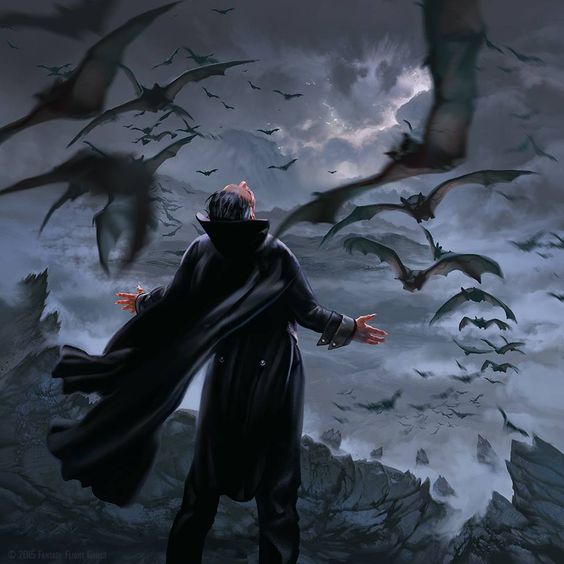
Vampirology - Vampirology (not be confused with Vampireology) is the study of vampire related folklore and beliefs. You do not need a degree to consider yourself a vampirologist but it is recommended that you have some education in folklore. This is a sub-category of Cryptozoology or Paracrypozoology or even Parapsychology.
Dragonology – Dragonology (somtiemse called Dracology) is the study of beliefs and folklore related to dragons. This is a sub-category of Cryptozoology or Paracryptozoology. You do not need a degree to be a dragonologist but it is recommended that you have some education in folklore.
Ufology – Also called UFOlogy or Uapology or UAPology - Ufology is the study of and investigation of reports of Unidentified Anomalous (formerly Aerial) Phenomenon (UAP). Unidentified Flying Object (UFO) is the older acronym that is now considered outdated. You do not need a degree to be a Ufologist. But it is recommended that you study physics, astronomy, astrophysics, and aerospace. Uapology or UAPology is a newer term for Ufology, relying on the newer, more accepted, modern acronym of Unidentified Anomalous (formerly Aerial) Phenomena. As a field of study the term Ufologist is still the preferred term even though UAP is the preferred acronym for the phenomena.
Metaphysics – Metaphysics (also known as Metaphysical Science) is the foundational branch of philosophy that explores the nature of existence and the fundamental nature of existence, the universe and reality, beyond conventional physical science, Metaphysics is more abstract and deals in the meaning of existence, what it means for something to exist and how the universe is structured. Anyone can call themselves a metaphysician. You can get a degree in metaphysics. There are two ways to study metaphysics. The first is the accredited, secular study of metaphysics, which usually requires a bachelor’s, Master’s, or Ph.D. in philosophy, especially if you intend to work for a secular university. The other method of studying Metaphysics is the spiritual course of study often called Metaphysical Science. This version of Metaphysics is taught through a seminary or other religious / spiritual studies. These programs focus on holistic healing, spiritual counseling, consciousness, and alternative medicine. Though the spiritual version is considered non-accredited, it can be used if you want to pursue a path in Spiritual Counseling and could be of use in Parapsychology and Paracryptozoology. I happen to have a spiritual based D.META (Doctor of Metaphysics) degree from ULC (Universal Life Church). Metaphysics is extremely useful in parapsychology because it helps produce a framework for theories on how psychic phenomena like telepathy, telekinesis, and clairvoyance, may occur.
Divinity – The study of Theology, Religion, Ministry, and Spiritual leadership. Doctorates in Divinity in the US are almost all exclusively honorary (D.D. titles given by religious institutions). I have an honorary D.D. from ULC (The Universal Life Church). I Also have a Litterarum humanarum (Doctor of Humane letters) (L.H.D.), and D.Litt. (Litterarum Doctor) also from ULC. Divinity also entails the nature of the spiritual world and the prospect of the how and why divine entities may behave.
I have a keen interest in the lesser known (often less respected) fields of study. Sometimes called Esoteric Sciences or Occult Sciences, or in some cases Pseudosciences. I don’t like the term pseudoscience because (to me) it feels rude and dismissive, especially if the subject does attempt to use scientific methodology.
This is a list of all of those strange and spooky sciences (Dubious though some may seem) that fit these categories and what they entail. I couldn’t decide if I should call this post Spooky Science of Weird Science. I think Spooky Science is probably slightly more accurate considering some of the subject matter.
_____________________________________
Pseudosciences / Paranormal Sciences / non-specified:
Parapsychology – The study and investigation of claims of the paranormal and beliefs related to the paranormal including ghostly or psychic phenomena. I studied parapsychology with The Stratford Career Institute in a course that was half Astrology and half Parapsychology. Though you do not need a degree to call yourself a parapsycholgoist, it is preferred you have a Ph.D. in psychology and related fields in order to be taken seriously, especially in academic settings. Accredited degrees in parapsychology do exist but they are extremely rare. But anyone can call themselves a Parapsychologist if they so choose. It is not a protected title.
Cryptozoology – Cryptozoology is a subcategory of traditional zoology and is the investigation and hypothesizing in regard to undiscovered animal life. This includes Bigfoot, The Loch Ness Monster, and Champ (North American equivalent of The Loch Ness Monster). Cryptozoology deals heavily with Lazarus Taxon, and Relic Species. There are no accredited degrees in Cryptozoology. Anyone can call themselves a Cryptozoologist but it is recommended that you have a degree in traditional Zoology, biology, folklore, and possibly anthropology.
Paracryptozoology – Paracryptozoology (Sometimes spelt as Para-cryptozoology) is a very new concept (only about fifteen-years-old). It is a subcategory of Cryptozoology that combines Parapsychology and Cryptozoology. It is such a new concept that there aren’t even non-accredited online courses in the subject… yet. Paracryptzooology entails investigations into claims of paranormal based corporeal manifestations such as tactile entities with psychic potentiality or otherworldly origins. This includes the likes of Shadow People, The Black-Eyed-Children, The Jersey Devil, and the Roup-Garou (The Louisiana werewolf). Anyone can call themselves a Paracryptozoologist but it si recommended that you study Parapsychology, Zoology, Biology, folklore, and anthropology first. Entities considered “zooform” manifestations fit under both Paracryptozoology and Parapsychology.
Demonology – This one sounds scary and sinister but in reality it is just the study of spiritual beliefs and folklore tied to harmful and malevolent entities and manifestations. It may be considered a sub-category of theology or Divinity but also parapsychology and paracryptozoology. Demonologists specialize in claims of demonic activity and supposed encounters with demonic presences. Demonologists are often trained in banishing and exorcism rituals to try to help people who believe they are dealing with a malevolent force. There are no accredited degrees in demonology. Anyone can claim to be a Demonologist but it is recommended to have studied subjects like Folklore and theology.
Lycanthropology – Lycanthropology is a pretty new term and it is a subcategory of Cryptozoology or more likely Paracryptozoology. It is the study of the folklore and beliefs about werewolves and other shapeshifting creatures. You do not need a degree to be a Lycanthropologist but it’s recommended that you study folklore or have some education in folklore.
Vampirology - Vampirology (not be confused with Vampireology) is the study of vampire related folklore and beliefs. You do not need a degree to consider yourself a vampirologist but it is recommended that you have some education in folklore. This is a sub-category of Cryptozoology or Paracrypozoology or even Parapsychology.
Dragonology – Dragonology (somtiemse called Dracology) is the study of beliefs and folklore related to dragons. This is a sub-category of Cryptozoology or Paracryptozoology. You do not need a degree to be a dragonologist but it is recommended that you have some education in folklore.
Ufology – Also called UFOlogy or Uapology or UAPology - Ufology is the study of and investigation of reports of Unidentified Anomalous (formerly Aerial) Phenomenon (UAP). Unidentified Flying Object (UFO) is the older acronym that is now considered outdated. You do not need a degree to be a Ufologist. But it is recommended that you study physics, astronomy, astrophysics, and aerospace. Uapology or UAPology is a newer term for Ufology, relying on the newer, more accepted, modern acronym of Unidentified Anomalous (formerly Aerial) Phenomena. As a field of study the term Ufologist is still the preferred term even though UAP is the preferred acronym for the phenomena.
Metaphysics – Metaphysics (also known as Metaphysical Science) is the foundational branch of philosophy that explores the nature of existence and the fundamental nature of existence, the universe and reality, beyond conventional physical science, Metaphysics is more abstract and deals in the meaning of existence, what it means for something to exist and how the universe is structured. Anyone can call themselves a metaphysician. You can get a degree in metaphysics. There are two ways to study metaphysics. The first is the accredited, secular study of metaphysics, which usually requires a bachelor’s, Master’s, or Ph.D. in philosophy, especially if you intend to work for a secular university. The other method of studying Metaphysics is the spiritual course of study often called Metaphysical Science. This version of Metaphysics is taught through a seminary or other religious / spiritual studies. These programs focus on holistic healing, spiritual counseling, consciousness, and alternative medicine. Though the spiritual version is considered non-accredited, it can be used if you want to pursue a path in Spiritual Counseling and could be of use in Parapsychology and Paracryptozoology. I happen to have a spiritual based D.META (Doctor of Metaphysics) degree from ULC (Universal Life Church). Metaphysics is extremely useful in parapsychology because it helps produce a framework for theories on how psychic phenomena like telepathy, telekinesis, and clairvoyance, may occur.
Divinity – The study of Theology, Religion, Ministry, and Spiritual leadership. Doctorates in Divinity in the US are almost all exclusively honorary (D.D. titles given by religious institutions). I have an honorary D.D. from ULC (The Universal Life Church). I Also have a Litterarum humanarum (Doctor of Humane letters) (L.H.D.), and D.Litt. (Litterarum Doctor) also from ULC. Divinity also entails the nature of the spiritual world and the prospect of the how and why divine entities may behave.