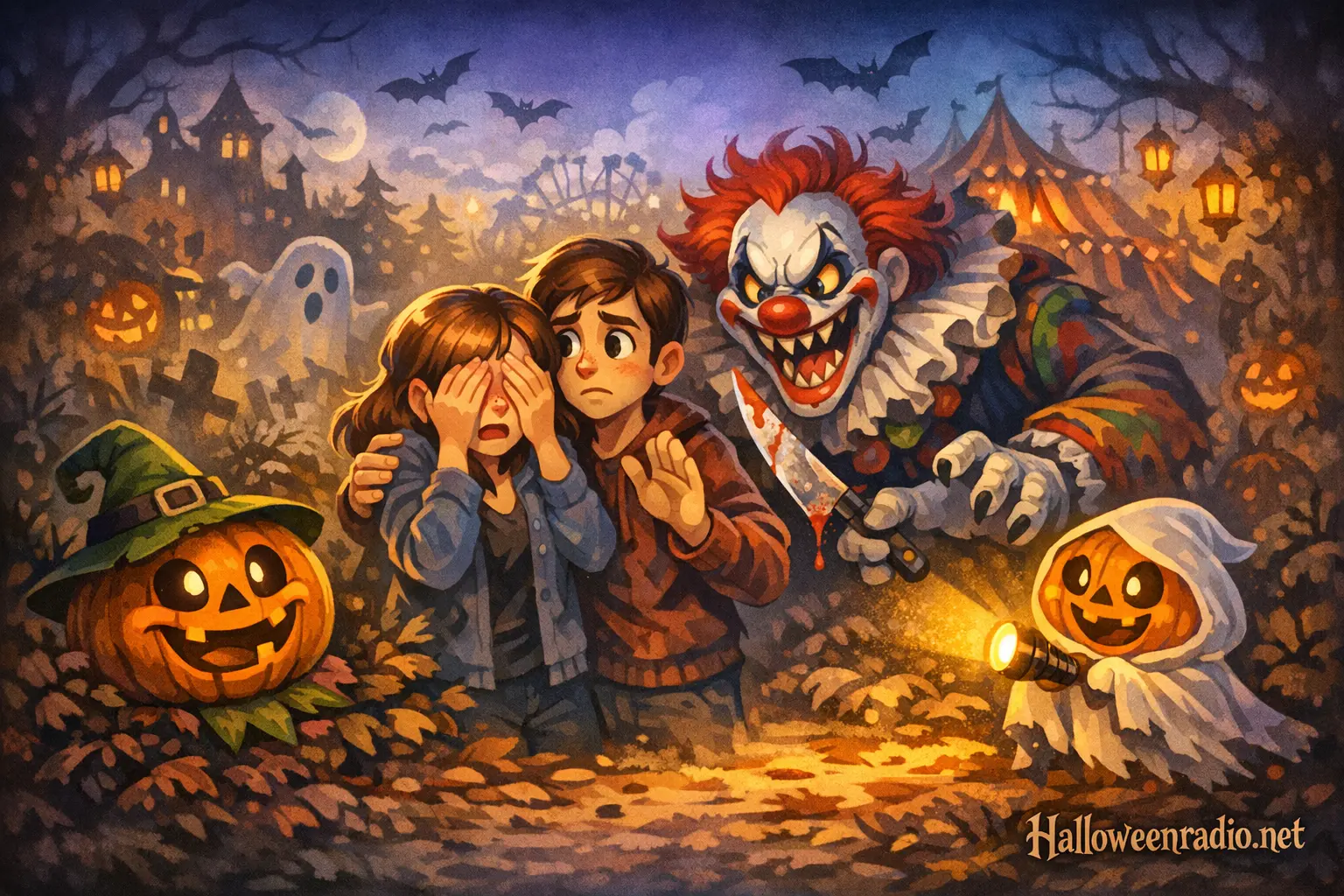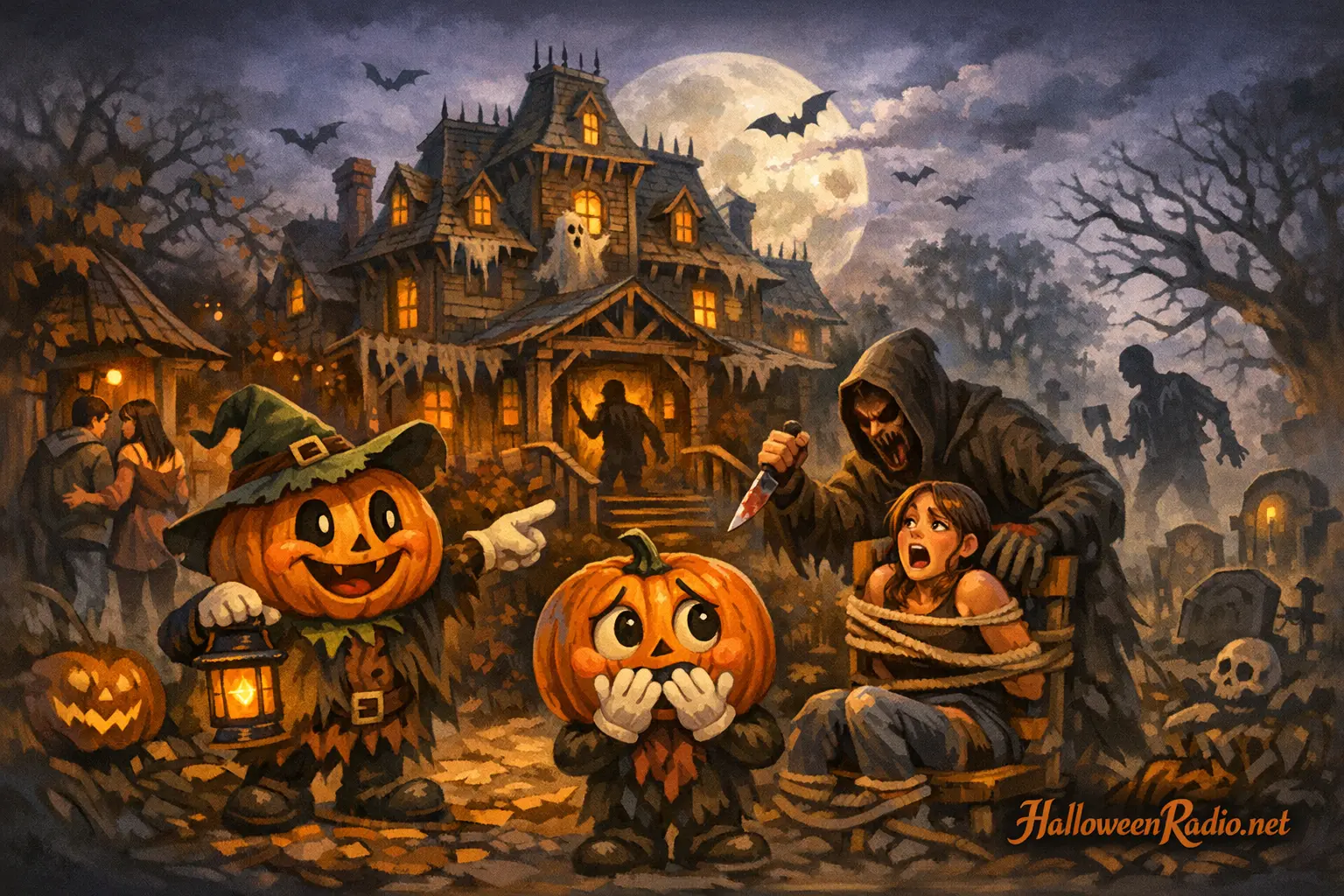
As Halloween approaches, haunted houses pop up in communities everywhere, drawing in thrill-seekers eager for a good scare. These attractions promise heart-pounding experiences, complete with eerie atmospheres, jump scares, and intricate storylines. However, they also raise questions about the ethical implications of the fear they create. At what point does a thrilling experience become something more sinister?
Understanding the thrill of fear
Fear, when experienced in a controlled environment like a haunted house, can be exhilarating. Many people enjoy the adrenaline rush that comes from facing their fears in a safe space. This excitement is what drives them to participate in these spooky attractions year after year. However, as the popularity of haunted houses has grown, so too have the methods used to elicit fear. Some haunted houses have adopted extreme tactics, including physical interactions and psychological manipulation, leading to debates about whether all scares are justified.
The line between entertainment and discomfort
While many haunted houses aim to entertain, there are instances where the intent can be overshadowed by the execution. Some attractions may employ shocking themes, such as graphic violence or disturbing imagery, which can leave visitors feeling more unsettled than entertained. The question arises: how far is too far? It's essential for haunted house operators to consider their audience and the potential impact of their design choices. A truly scary experience should leave guests with a sense of thrill, not trauma.
Creating a respectful experience
To strike a balance between providing scares and maintaining ethical standards, haunted houses can implement several strategies. Here are a few considerations:
- Clear communication: Transparently inform guests about what to expect, including any intense scenes or themes that may be present.
- Consent: Allow visitors the option to opt-out of certain experiences, ensuring that everyone feels comfortable during their visit.
- Inclusive design: Consider the diverse backgrounds and experiences of guests to create an environment that is engaging without being alienating.
By prioritizing these aspects, haunted houses can create a thrilling atmosphere while respecting the emotional boundaries of their visitors.
The world of haunted houses is a fascinating blend of fear and fun. As we celebrate this Halloween season, let’s remember the importance of keeping the scares enjoyable and ethical. After all, the thrill of a well-executed scare should never come at the expense of someone’s comfort or well-being. So, as you plan your spooky adventures this October, take a moment to consider the ethics behind the thrills. Happy haunting!