Introduction to Halloween folklore
As the leaves turn and the nights grow longer, Halloween approaches, bringing with it a wave of excitement and intrigue. For many, this holiday is about costumes, candy, and spooky decorations. However, beneath the surface lies a rich tapestry of folklore and tradition that highlights the lengths people have gone to protect themselves from the supernatural. Various household items, including salt, have played a significant role in these protective rituals.
The significance of salt
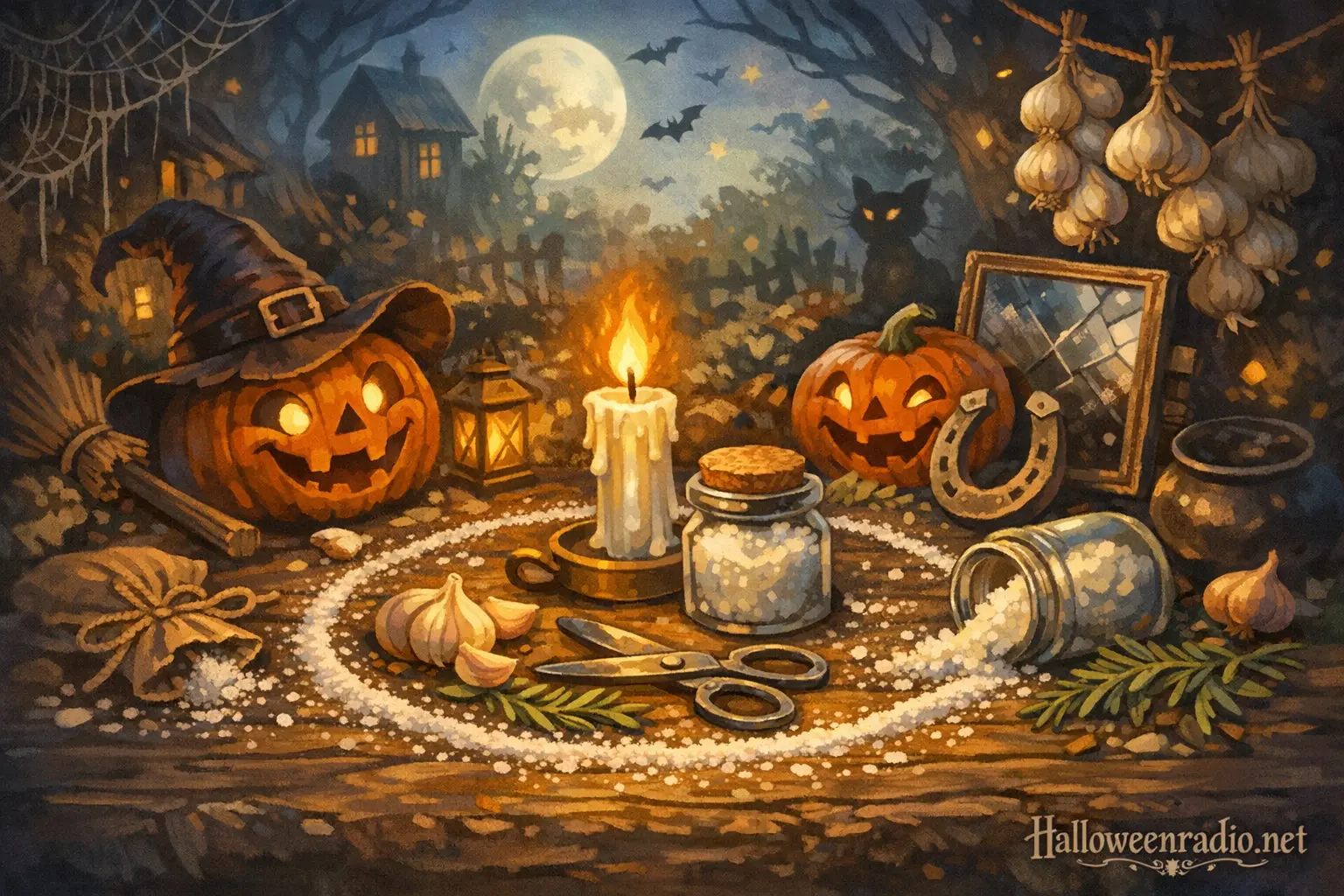
Salt has long been associated with purification and protection in various cultures. In many folklore traditions, it was believed that salt could ward off evil spirits and negative energies. During Halloween, when the veil between the living and the dead is thought to be thinnest, many would sprinkle salt around their homes or carry small pouches of it for protection. This practice stems from ancient beliefs that salt possesses the power to cleanse spaces and safeguard individuals from malevolent forces.
Other household items used for protection
Alongside salt, several other common household items have found their place in Halloween protection rituals. Here are a few notable examples:
- Garlic: Known for its strong aroma, garlic was believed to repel evil spirits and vampires alike. Hanging garlic near doors and windows was a common practice.
- Iron: Traditionally, iron was thought to have protective properties against fae and other supernatural beings. People would carry iron nails or place them at thresholds to safeguard their homes.
- Holy water: In many cultures, holy water was sprinkled around the home to bless it and keep unwanted spirits at bay. This act was often part of larger Halloween rituals.
A modern twist on ancient beliefs
While many of these practices may seem outdated today, they continue to resonate with Halloween lovers who appreciate the deeper meanings behind the holiday. Modern-day celebrations often incorporate these traditional elements, whether through themed decorations or rituals that honor the past. For example, some may choose to create protective salt circles during their Halloween gatherings, blending ancient wisdom with contemporary fun.
Conclusion
Halloween is not just a time for tricks and treats; it also invites us to explore the rich traditions and beliefs that have shaped the way we celebrate. The use of salt and other household items for protection is a fascinating glimpse into how folklore has evolved over the centuries. As you prepare for this Halloween, consider incorporating some of these protective rituals into your celebrations. Embrace the history and enjoy the spirit of the season!