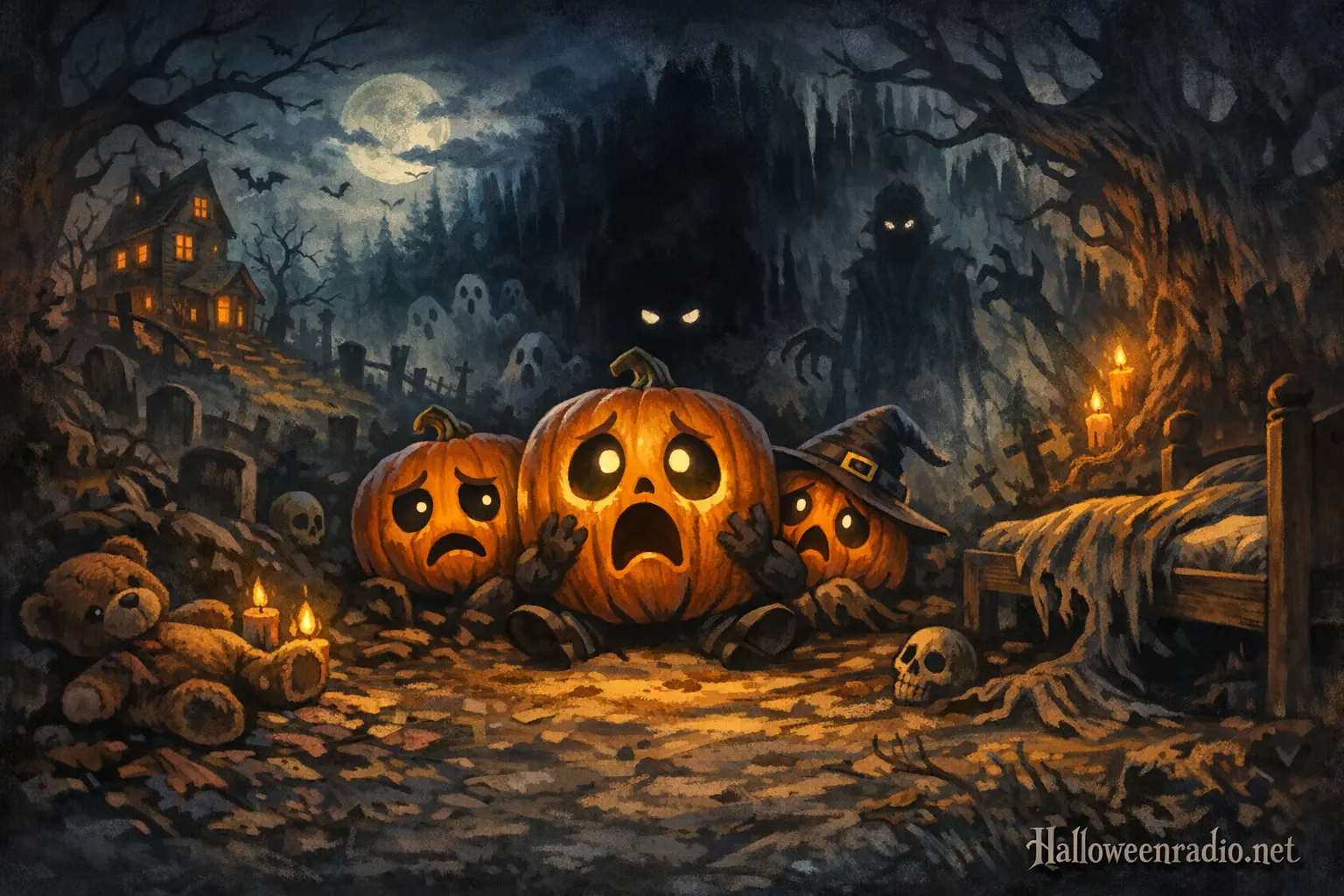
Understanding the fear of darkness
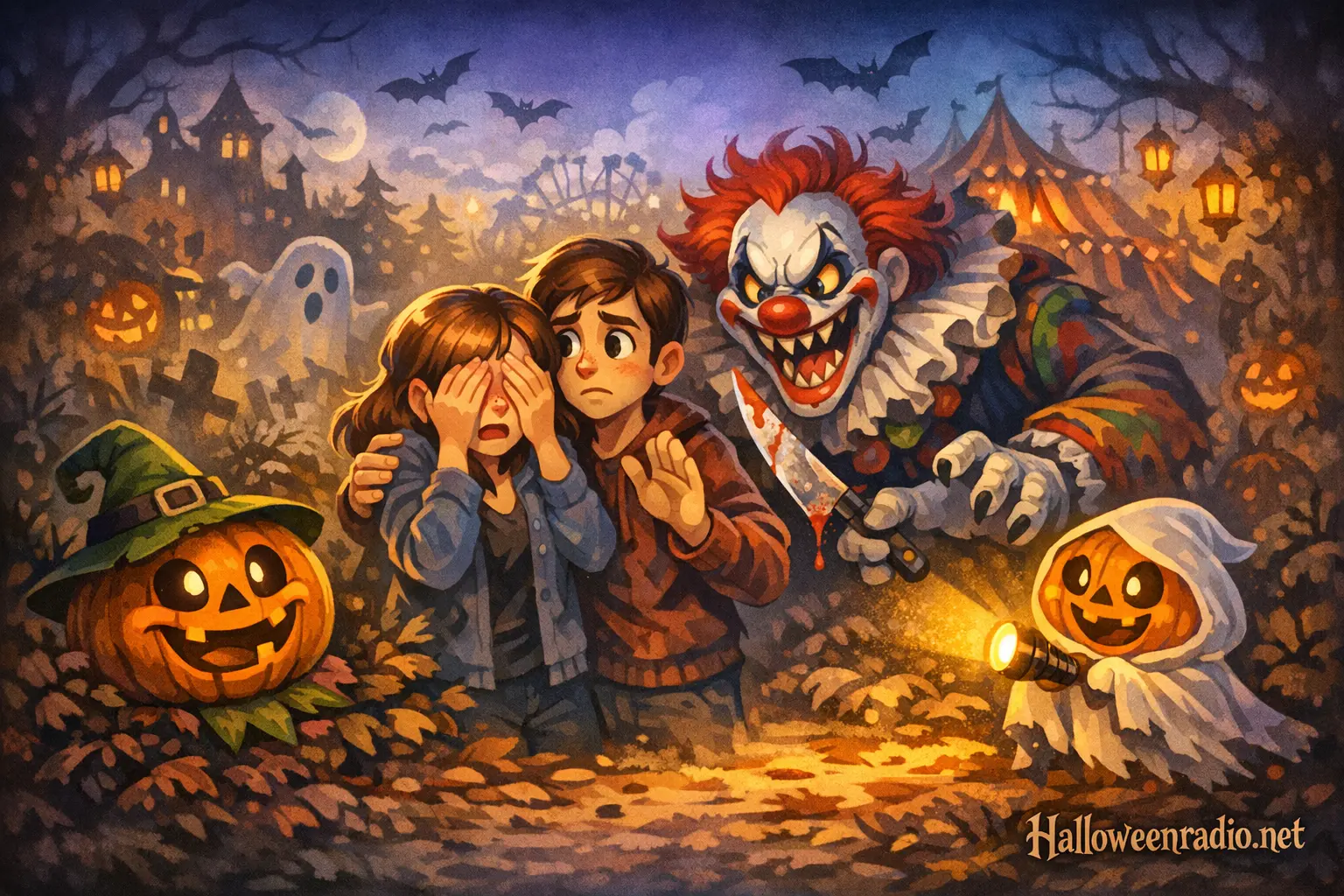
For many, childhood fears fade away with age. However, for others, the fear of the dark remains a persistent shadow. This fear, often rooted in primal instincts, can stem from various psychological and emotional factors. As Halloween approaches, it’s intriguing to consider why this fear lingers for some, transforming from innocent childhood trepidation into a more complex emotional challenge.
Childhood experiences shape adult fears
Many people develop a fear of the dark during childhood. This fear can be fueled by numerous factors, such as watching scary movies or hearing ghost stories, which create an association between darkness and potential danger. For some, these experiences can lead to a prolonged sensitivity to darkness into adulthood. Additionally, if a child has a particularly vivid imagination, they may be more susceptible to conjuring up frightening scenarios in the absence of light, which can linger throughout their life.
The role of biology and evolution
From a biological perspective, fear of the dark can be traced back to our evolutionary past. Humans are inherently wired to be cautious in the dark, as it was during these hours that potential predators would be most active. This instinctual fear serves as a survival mechanism. While most of us learn to cope with this fear as we grow older, some individuals may find themselves unable to shake off the anxiety associated with darkness, often due to an overactive nervous system or heightened sensitivity to stress.
Psychological factors at play
Beyond childhood influences and biological instincts, psychological factors can play a significant role in why some adults still fear the dark. Conditions such as generalized anxiety disorder or specific phobias can amplify feelings of dread and unease when faced with darkness. Moreover, individuals who have experienced trauma may find that their fear of the dark is intertwined with past experiences, making it challenging to overcome. Seeking support through therapy or engaging in coping mechanisms can assist those struggling with these feelings, allowing them to reclaim their comfort in the dark.
Embracing the darkness
For Halloween lovers, the fear of darkness can be a double-edged sword. It adds an element of thrill and excitement to the season, enhancing the spooky atmosphere. Understanding the psychology behind this fear can transform it from a source of anxiety into one of fascination. By acknowledging and embracing these feelings, we can find joy in the eerie ambiance of Halloween without letting fear take control.
As we celebrate this Halloween season, let’s remember that fear can be both a source of fun and a reminder of our shared human experience. If you or someone you know struggles with fear of the dark, consider exploring these feelings further. Who knows? You might just discover a newfound appreciation for the mysteries that lie within the shadows.