The art of fear: understanding psychological manipulation
When you step into a haunted house, you’re not just walking through a series of spooky decorations and actors in costumes. You’re entering a carefully crafted environment designed to exploit your fears and heighten your sense of anticipation. Haunted houses use psychological manipulation to create a visceral experience that lingers long after you’ve left. From the moment you cross the threshold, a symphony of sound, sight, and even smell works together to elicit emotional responses.
Creating tension through environment
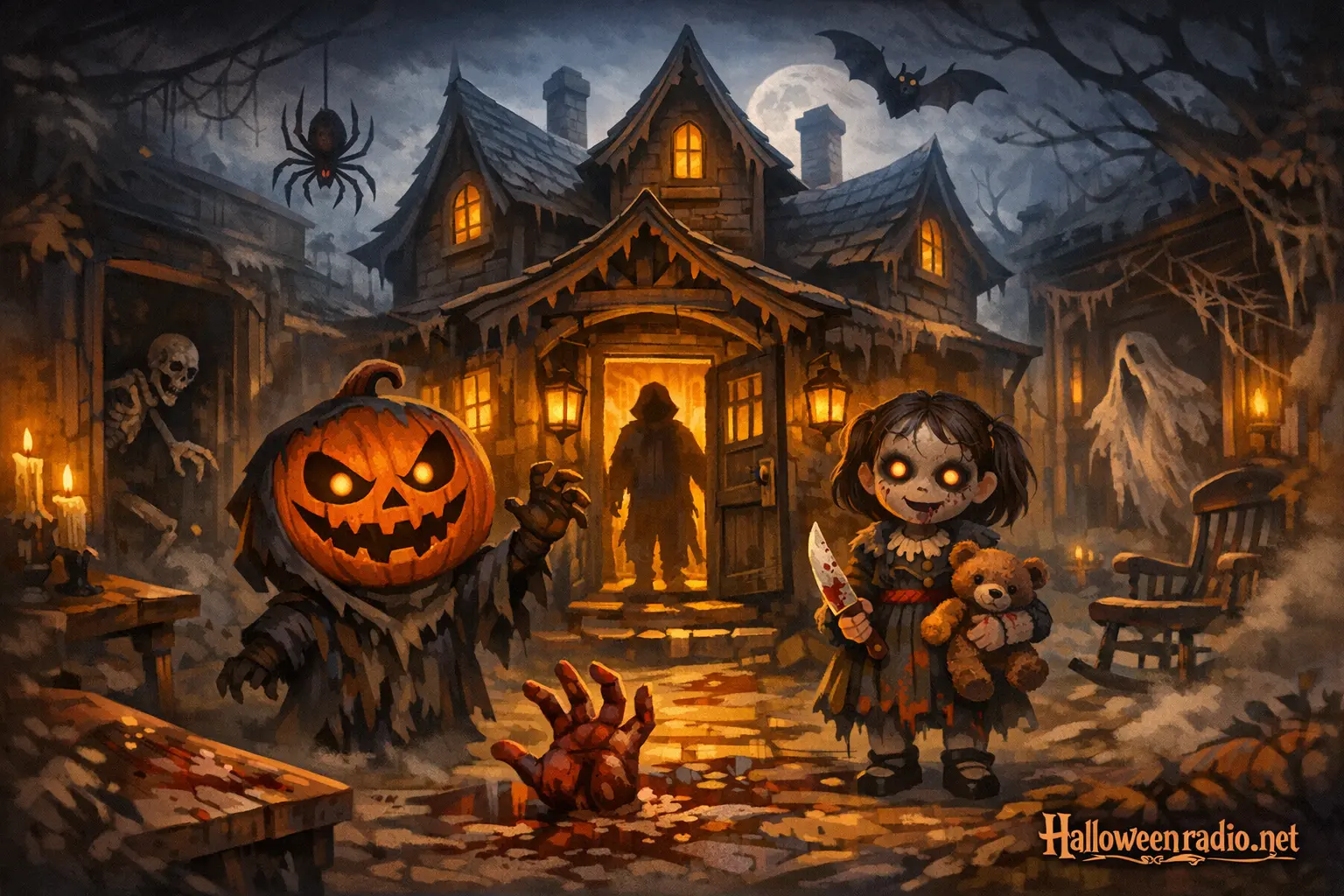
One of the first techniques haunted houses employ is environmental manipulation. The design of the space plays a crucial role in building tension. Dark, narrow corridors lead to unexpected twists and turns, while dim lighting and unsettling sound effects create an atmosphere thick with suspense. The feeling of confinement can elevate anxiety, making you more susceptible to fear. As you navigate through these eerie settings, your mind races, filling the gaps with imagined horrors that heighten your sense of dread.
The psychology of jump scares
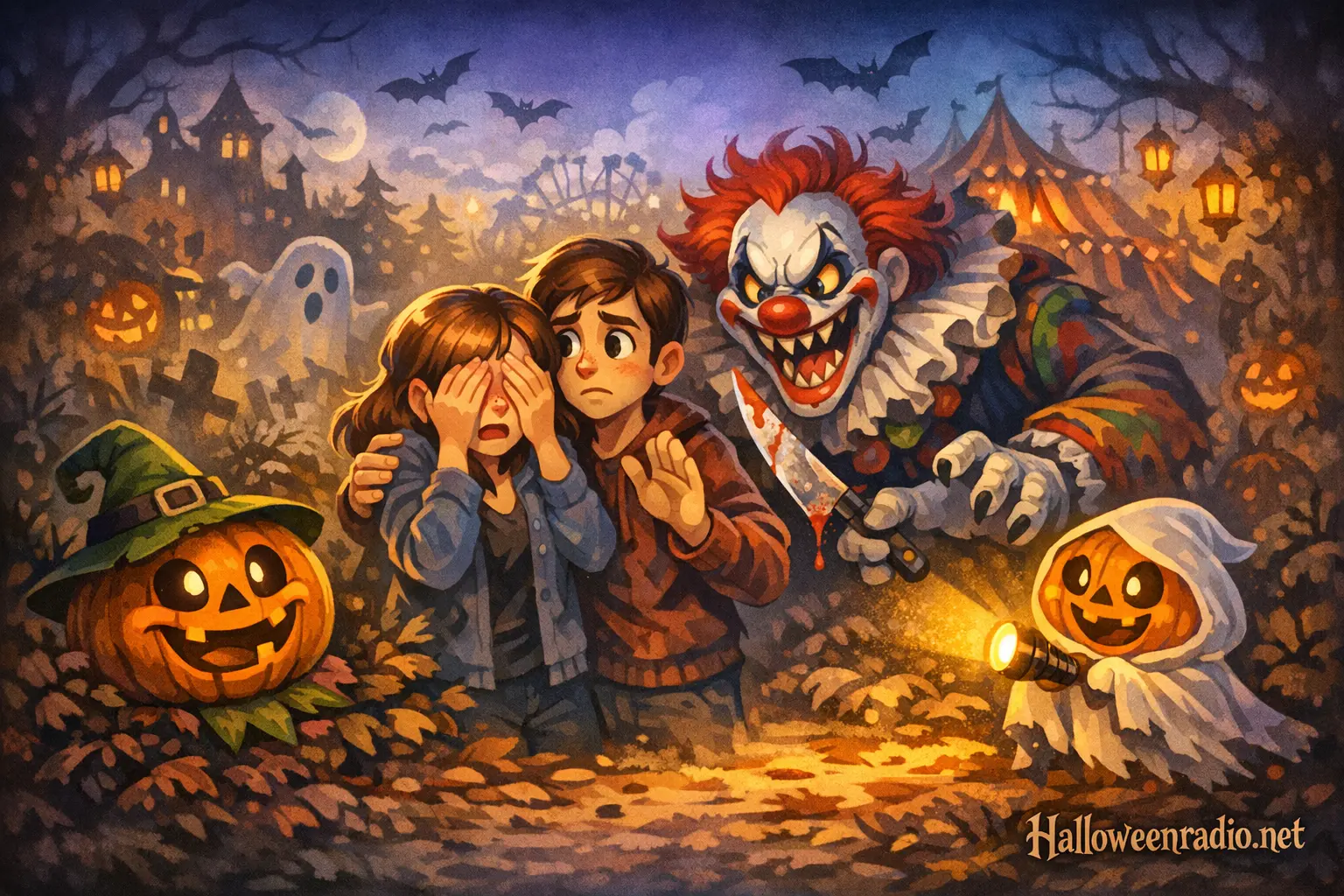
Jump scares are a hallmark of haunted houses, but their effectiveness relies heavily on psychological principles. Anticipation is a powerful emotion; when you’re expecting something to jump out at you, your adrenaline spikes, and your heart races. This heightened state makes the eventual scare feel even more shocking. The strategic timing of these scares—often synchronized with sudden noises or changes in lighting—creates a jarring experience that leaves your nerves frayed. This manipulation of expectation and surprise is what keeps you on edge and enhances the thrill of the haunted experience.
Engaging the senses for maximum impact
Haunted houses don't just rely on sight and sound; they engage all your senses to create a fully immersive experience. Smells play a significant role in evoking memories and emotions, and haunted attractions often incorporate scents like decay or dampness to amplify feelings of unease. Additionally, tactile elements—like cold air or unexpected textures—can elicit physical reactions that contribute to the overall fear factor. By stimulating multiple senses, haunted houses ensure that your experience is not only memorable but also deeply unsettling.
Conclusion: Embracing the thrill of fear
Haunted houses are a unique blend of art, psychology, and entertainment, designed to evoke fear in a controlled and enjoyable way. The techniques they use tap into our primal instincts, making us confront our fears in a safe environment. So, the next time you find yourself in a haunted house, take a moment to appreciate the psychological craft behind the scares. Embrace the thrill and enjoy the spine-tingling excitement of the season!