Introduction to the evolution of fear
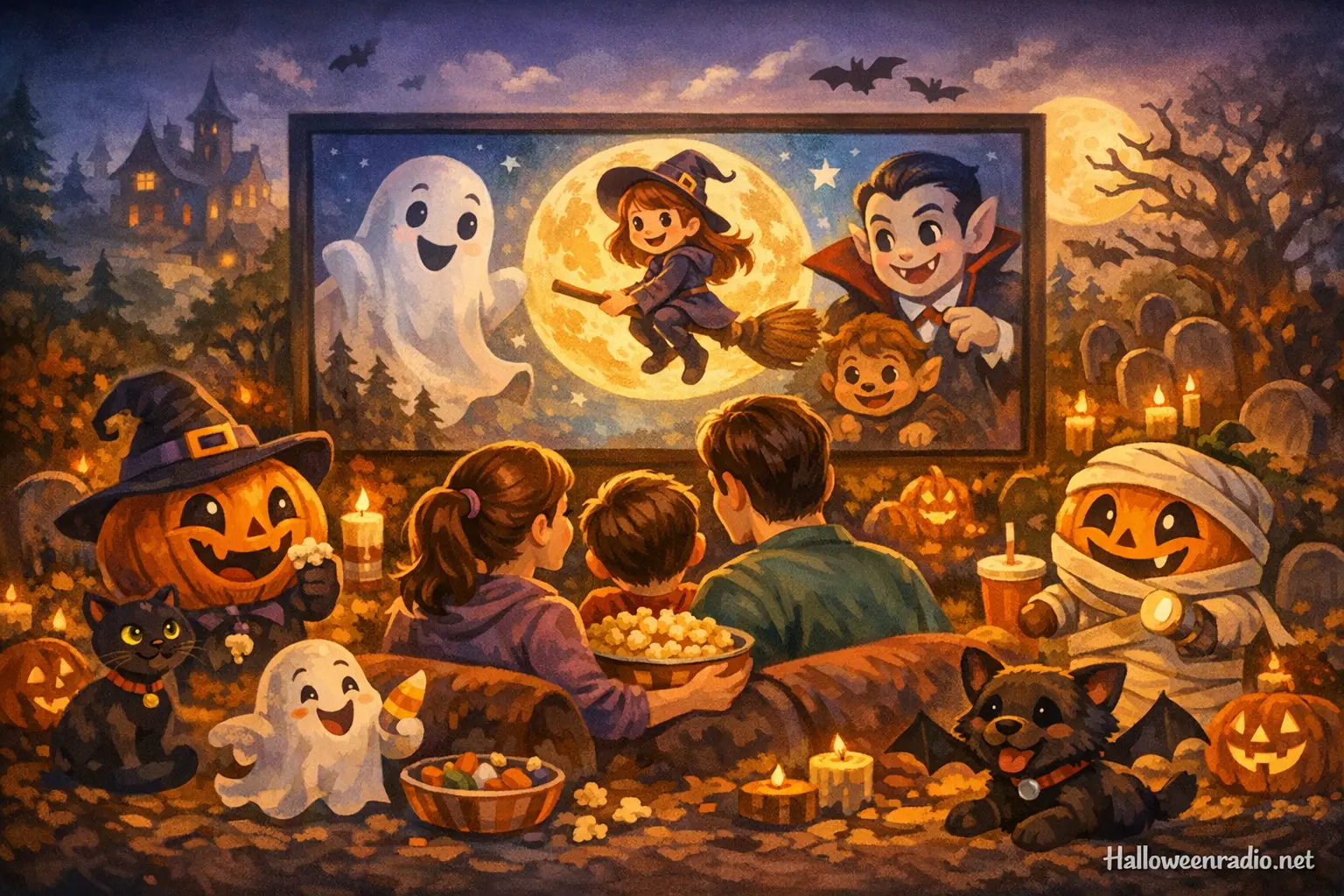
For Halloween lovers, the thrill of fear is an essential part of the season. As we don our costumes and prepare for spooky festivities, it's intriguing to consider how the definition of 'scary' has transformed over the last 100 years. From the early 20th century's Gothic horror to today's psychological thrillers, the sources of our fear reveal much about societal changes, technological advancements, and cultural shifts.
Early 20th-century fears
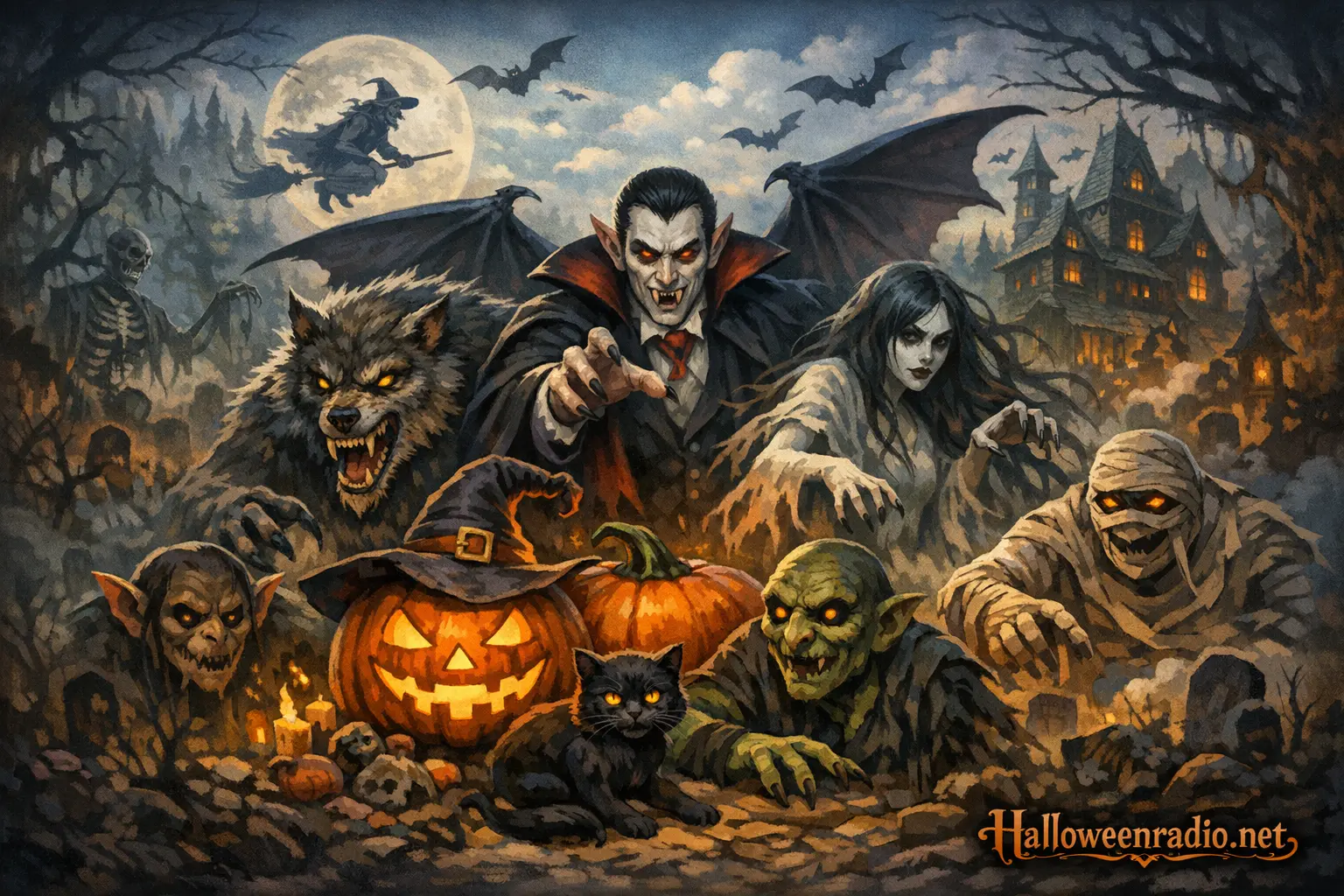
In the early 1900s, the concept of fear was heavily influenced by literature and cinema. Classic horror stories like Mary Shelley's Frankenstein and Bram Stoker's Dracula introduced monsters that represented societal anxieties of the time. The fears were largely external, rooted in the unknown and the supernatural. Early horror films, such as The Cabinet of Dr. Caligari (1920), utilized expressionism to create an unsettling atmosphere, captivating audiences with their eerie visuals and haunting narratives.
The mid-century shift
As the decades rolled on, particularly during the mid-20th century, the definition of 'scary' began to shift. The horrors of World War II and the subsequent Cold War introduced more complex fears rooted in human behavior and societal collapse. Films like Psycho (1960) and The Exorcist (1973) explored the dark corners of the human psyche, leading audiences to question not just monsters, but the potential for evil within ordinary people. This era marked a transition from supernatural terror to psychological horror, reflecting a growing recognition of the darker aspects of human nature.
Contemporary interpretations of fear
Today, the definition of 'scary' continues to evolve. Modern horror often grapples with issues such as technology, identity, and societal norms. The rise of streaming platforms has democratized horror, allowing diverse voices to explore fears that resonate with contemporary audiences. Films like Get Out (2017) and Hereditary (2018) tackle race, trauma, and family dynamics, making fear more personal and relatable. The internet has also birthed a new genre of horror—creepypasta and digital storytelling—which taps into our collective anxieties about the digital age.
Conclusion: Embracing the changing landscape of fear
As we celebrate HALLOWEEN, it's essential to recognize how our understanding of fear has transformed over the last century. The evolution from external threats to internal struggles reflects not only changes in storytelling but also our growing awareness of societal issues. Whether you prefer classic monsters or contemporary psychological thrillers, embracing this changing landscape of fear can enrich your HALLOWEEN experience. So, this season, take a moment to reflect on what scares you and why—it's all part of the fun!