The origins of Halloween safety myths
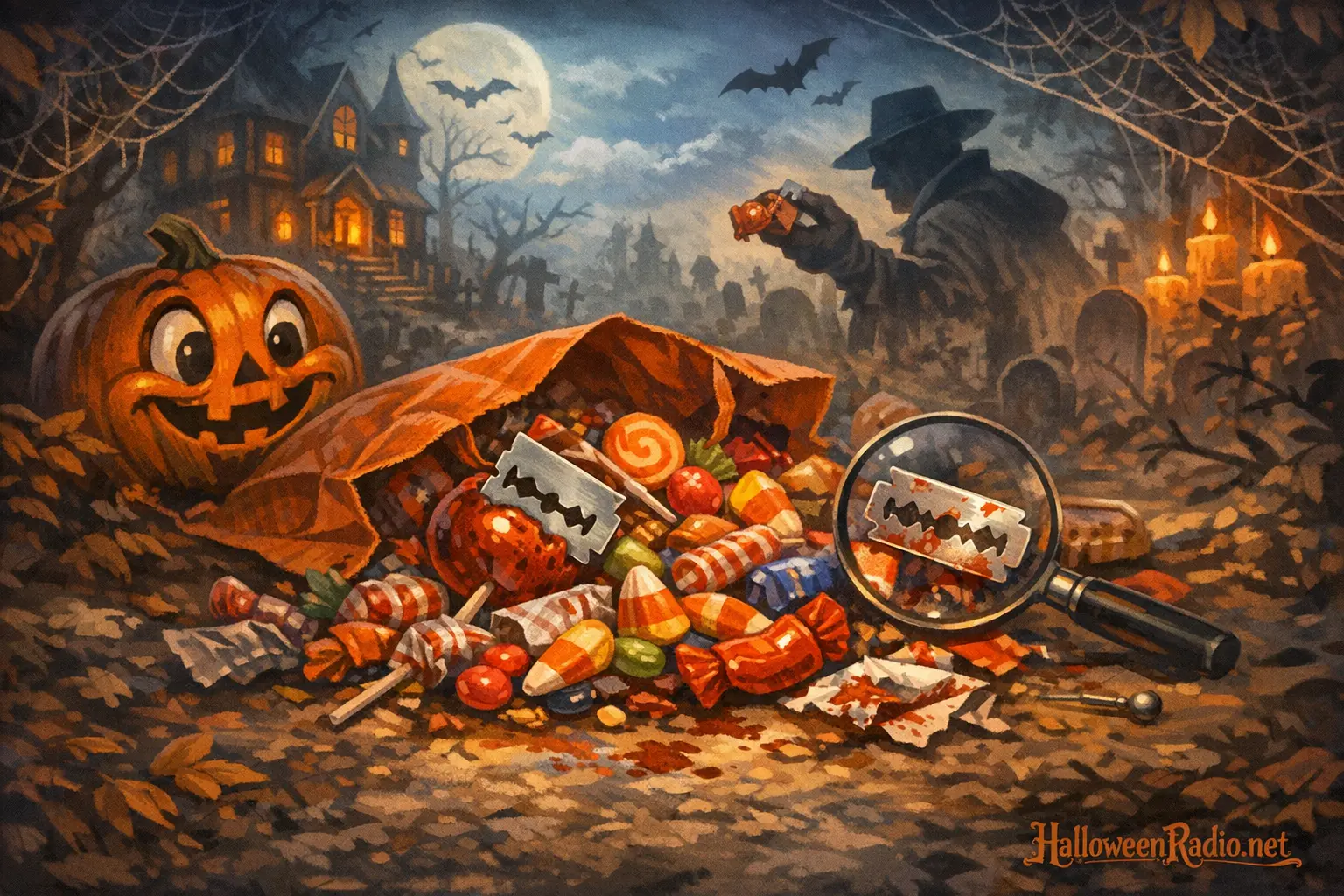
Halloween is a beloved holiday filled with costumes, candy, and spooky decorations. However, it also comes with its fair share of myths that spark fear in the hearts of parents and trick-or-treaters alike. One of the most notorious tales involves the idea that razor blades or poisonous substances are hidden in Halloween treats. This myth can be traced back to the 1970s, a time when sensationalized news stories began to emerge, often fueled by a few isolated incidents that were blown out of proportion.
The truth behind the myths
Despite the widespread panic surrounding razor blades in candy, extensive studies and investigations have shown that such incidents are incredibly rare. In fact, the American Academy of Pediatrics has reported that there has been only a handful of verified cases of tampered candy over the years. Most of these cases were related to family disputes or other motives unrelated to random acts of Halloween malice. The reality is that the vast majority of candy given out on Halloween is safe, and the idea of nefarious strangers lurking in the shadows is largely a myth.
How to ensure a safe Halloween
While it's important to acknowledge the myths for what they are, safety should still be a priority during Halloween festivities. Here are some practical tips to help ensure a safe and enjoyable experience for everyone:
- Inspect all candy before consumption—look for any signs of tampering.
- Only accept treats from trusted sources, such as friends or well-known neighbors.
- Encourage children to stick to well-lit streets and travel in groups.
- Consider organizing or attending community events where treats are provided in a controlled environment.
By keeping these tips in mind, you can enjoy the fun of Halloween without falling prey to fear-based myths. So, as you gather your costumes and stock up on candy, remember the real spirit of Halloween is about creativity, community, and a little bit of spooky fun!