Understanding the Day of the Dead
The Day of the Dead, or Día de los Muertos, is a colorful and deeply meaningful celebration observed primarily in Mexico and by communities worldwide. This festival, which takes place on November 1st and 2nd, honors deceased loved ones, blending indigenous traditions with Catholic influences. Unlike typical notions of death, this celebration fosters a joyous atmosphere, emphasizing the belief that the dead return to visit their families during this time.
Traditions and their significance
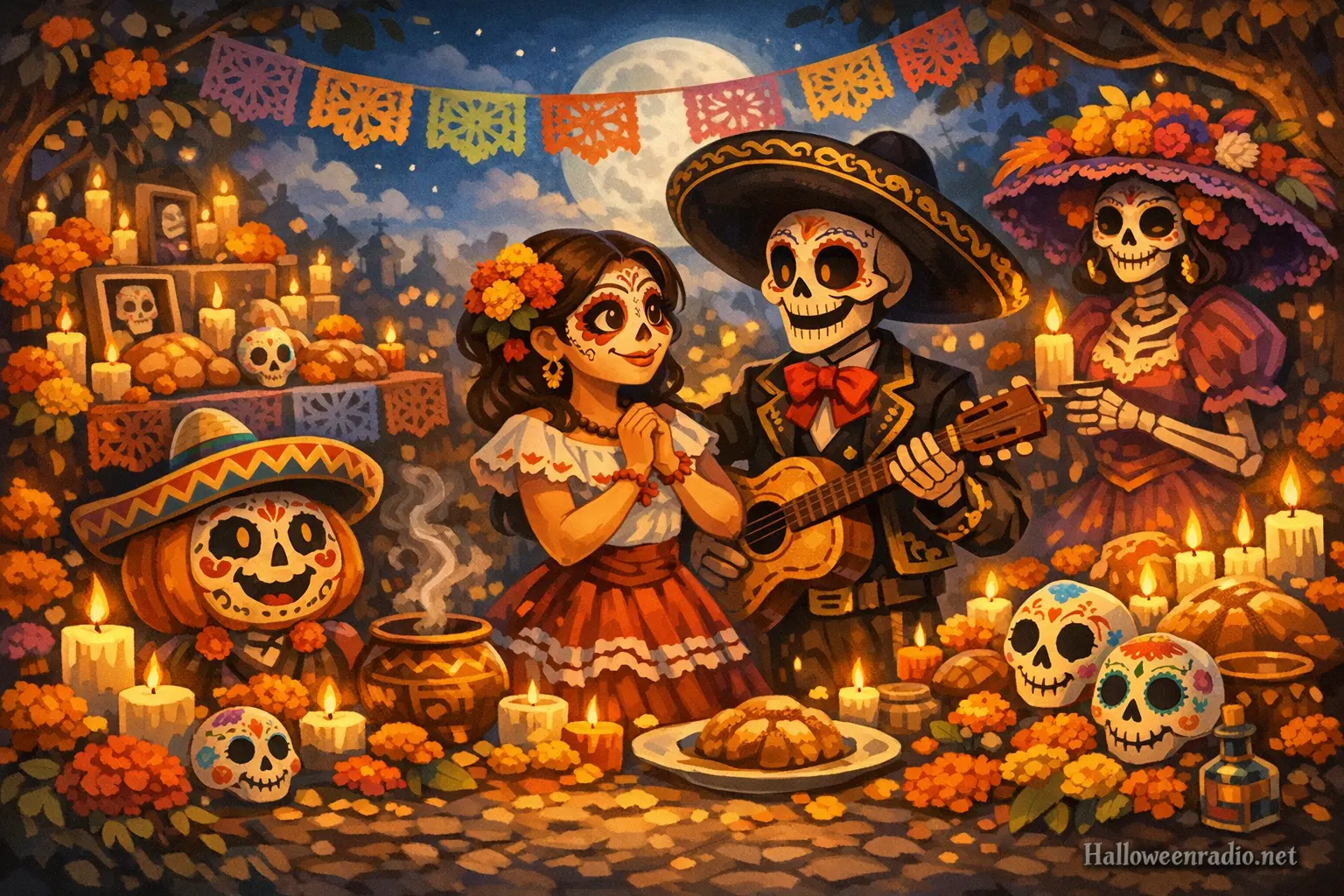
The heart of the Day of the Dead lies in various vibrant traditions that symbolize remembrance and connection. One of the most recognizable elements is the creation of altars, or ofrendas, which are adorned with photographs, favorite foods, and personal items of the departed. These offerings not only invite spirits back but also serve as a beautiful homage to their lives.
- Calacas and calaveras: These playful skeletons and skulls remind us that death is a part of life.
- Marigolds: The bright orange flowers, or cempasúchil, are believed to guide spirits back home with their vibrant color and fragrance.
- Sugar skulls: Decorated with colorful icing, these sweet treats are a fun and lively way to remember the deceased.
Each element of the celebration carries a story, making it vital for participants to educate themselves about these symbols to appreciate their depth and significance fully.
Respectful appreciation
As Halloween lovers, it's essential to approach the Day of the Dead with respect and understanding. While both festivities celebrate the theme of death, they stem from different cultural backgrounds and values. Here are a few ways to honor this beautiful tradition respectfully:
- Learn about the history and customs of the Day of the Dead to appreciate its significance.
- Participate in local events with a genuine interest in the traditions and practices.
- Avoid cultural appropriation by respecting the rituals and meanings behind them.
By embracing these practices, you can engage with the Day of the Dead in a way that honors its true essence. This not only enhances your understanding but also fosters a deeper connection to the celebration's rich cultural heritage.