The origins of Halloween
Halloween, with its vibrant costumes and spooky decorations, has become one of the most beloved holidays in the world. But its roots stretch deep into ancient traditions, particularly the Celtic festival of Samhain. This festival marked the end of the harvest season and the beginning of winter, believed to be a time when the boundary between the living and the dead was blurred. On this night, people would light bonfires, wear costumes, and set out offerings to appease wandering spirits.
The Church’s intervention
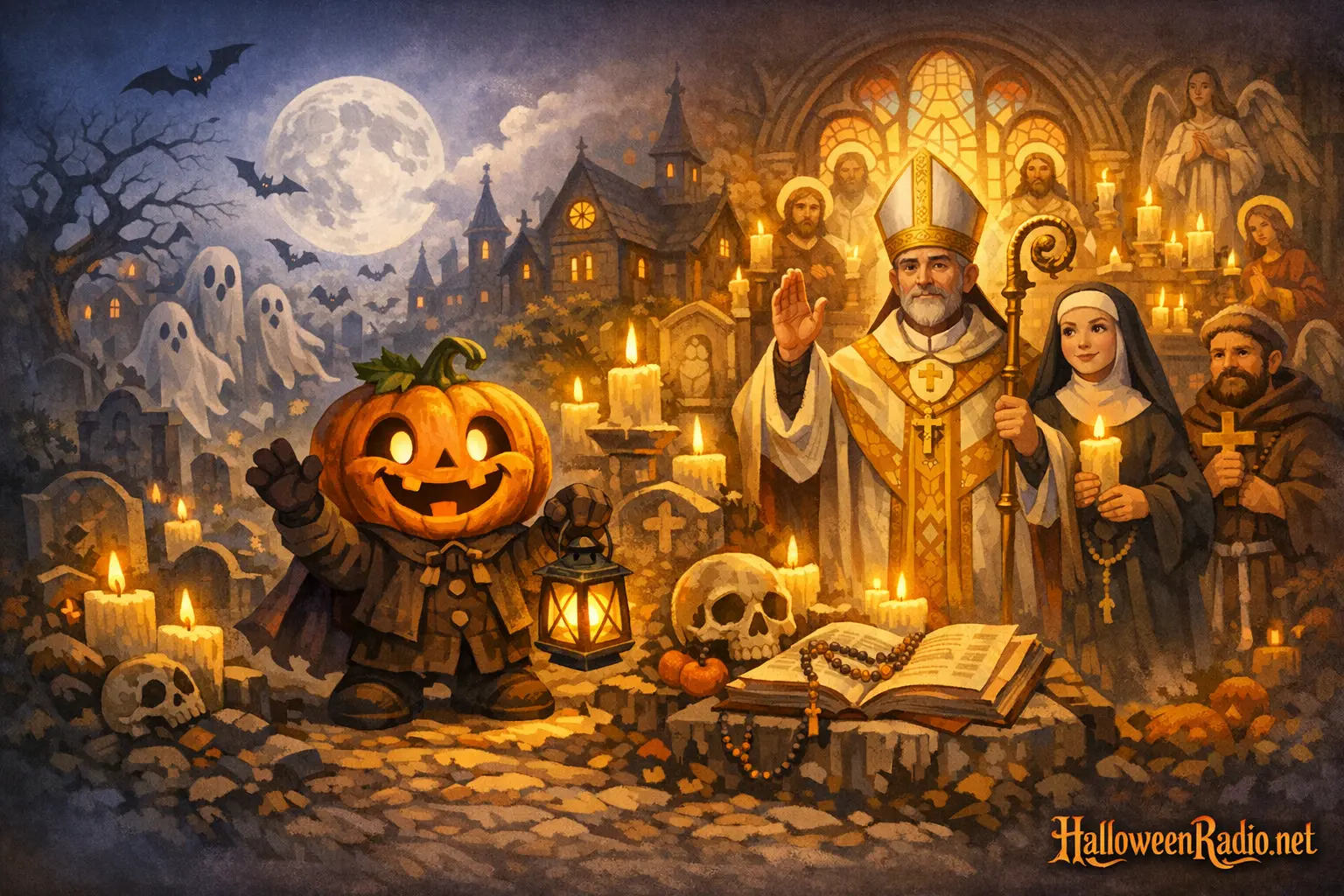
As Christianity spread, the Catholic Church aimed to replace pagan celebrations with Christian ones. In the 8th century, Pope Gregory III established November 1st as All Saints' Day, a day dedicated to honoring all saints and martyrs. The hope was that by promoting this holy day, the Church could diminish the popularity of Halloween, which was seen as a pagan ritual. However, the plan did not unfold as expected.
All Saints' Day vs. Halloween
Instead of fully replacing Halloween, the Church's efforts resulted in a blending of traditions. Many Halloween customs, such as trick-or-treating and wearing costumes, continued to thrive. People found joy in celebrating both days—honoring their loved ones on All Saints' Day while enjoying the playful spookiness of Halloween. This blending illustrates a fascinating aspect of cultural evolution, where old traditions are adapted rather than erased.
The lasting impact
Today, Halloween is celebrated in various ways around the world, often with little connection to its historical origins. The Catholic Church's attempts to refocus attention on All Saints' Day have not entirely diminished the allure of Halloween. Instead, it has led to a unique coexistence of both celebrations, each with its own significance and appeal. Halloween enthusiasts continue to embrace the playful, eerie, and communal aspects of this festive night, proving that some traditions are too beloved to be replaced.
Celebrate both
As Halloween approaches, consider how you can honor both traditions. Whether you’re dressing up for a spooky party or lighting a candle for a loved one on All Saints’ Day, you can celebrate the rich history behind these days. Embrace the spirit of Halloween while remembering its historical connections to All Saints’ Day—after all, every ghost story has its roots in something real.